You’re pouring time and money into your ads. You want them to work, right? But sometimes, you put out a great-looking ad, and it just.
doesn’t do much. It’s frustrating. You wonder if the problem is the ad itself.
What exactly should you be looking at?
It’s tough to know which numbers truly matter when it comes to your ad’s visuals and message. Are people even seeing it? Are they liking what they see?
This guide will help you cut through the noise. We’ll look at the key ad metrics that tell you if your creative is hitting the mark. We’ll make it simple so you can understand and use these numbers right away.
Let’s find out what’s working and what’s not.
The best ad metrics to track creative performance focus on engagement, conversion, and efficiency. Key indicators include Click-Through Rate (CTR), Conversion Rate (CVR), Return on Ad Spend (ROAS), Cost Per Acquisition (CPA), and Engagement Rate. These metrics show how well your ad’s message and visuals resonate with your audience.
Understanding Your Ad Creative Metrics
When we talk about ad creative, we mean everything you see and hear in an ad. This includes the pictures, videos, text, and even the colors. It’s the actual “stuff” of your ad.
Why is tracking this important? Because a great ad can make a huge difference. A bad one can waste your money.
It’s like sending out flyers. If they look dull, no one picks them up. If they’re exciting, people want to know more.
Tracking the right ad metrics to track creative tells you if your message is clear. It shows if your visuals grab attention. It helps you see if people want to take the next step.
Think of it like this: You bake a cake. You don’t just hope it tastes good. You taste it.
You ask friends to taste it. You see if people ask for seconds. Ad metrics are your way of “tasting” your ad’s performance.
My Own Creative Ad Struggle
I remember one time. I was working with a client who had a really cool product. We spent ages on the ad photos.
They were super high-quality, with perfect lighting. The ad copy was catchy, too. We launched it with high hopes.
The initial numbers looked okay. People were seeing the ad. But nobody was clicking.
The ad metrics to track creative were telling a sad story. We watched the impressions go up, but the clicks stayed almost the same. It felt like shouting into a void.
I felt a knot of worry in my stomach. All that effort, and nothing. What was wrong?
Was the product not good? Was the offer bad? Or was the ad itself just not connecting?
That feeling of uncertainty is what pushes us to dig deeper into the numbers.
It turned out the ad was too busy. It tried to say too much. People saw it but didn’t understand the main point.
It was a hard lesson. Sometimes, less is more. And the metrics showed us this truth clearly.
Key Ad Creative Metrics at a Glance
Metric: Click-Through Rate (CTR)
What it shows: How many people clicked your ad after seeing it.
Why it matters: A higher CTR means your ad grabs attention and sparks interest.
Metric: Conversion Rate (CVR)
What it shows: How many people completed a desired action (like buying) after clicking.
There’s more: A good CVR means your ad led people to do what you want them to do.
The Core Metrics Explained
Let’s break down the most important numbers you should watch. These are the ones that give you real insight. They tell you if your creative is working or not.
Click-Through Rate (CTR)
This is one of the first things I look at. CTR is simple. It’s the percentage of people who saw your ad and then clicked on it.
Formula: (Total Clicks / Total Impressions) * 100
Why it matters: A high CTR means your ad is getting noticed. Your headline or image is good. It tells people something interesting.
It makes them want to learn more. A low CTR might mean your ad is boring or confusing. Or perhaps it’s not reaching the right people.
Conversion Rate (CVR)
This metric is about action. A conversion is when someone does what you want them to do after clicking your ad. This could be buying something, signing up for a newsletter, or filling out a form.
Formula: (Total Conversions / Total Clicks) * 100
Why it matters: CTR tells you if people are interested. CVR tells you if that interest leads to a result. If your CTR is high but CVR is low, your ad might attract clicks but not lead to what you offer effectively.
The landing page or offer might be the issue.
Return on Ad Spend (ROAS)
This is a big one for any business. ROAS shows you how much money you make for every dollar you spend on ads. It directly links ad spending to revenue.
Formula: (Revenue from Ads / Ad Spend) * 100
Why it matters: You want this number to be high. A ROAS of 5:1 means for every dollar you spend, you get five dollars back. This shows your ad creative and campaign are profitable.
If your ROAS is low, your ads aren’t bringing in enough money to cover their cost.
Cost Per Acquisition (CPA)
CPA is the flip side of ROAS in a way. It tells you how much it costs, on average, to get one customer or conversion.
Formula: Total Ad Spend / Total Conversions
Why it matters: You want your CPA to be low. If it costs you $50 to get a customer, but that customer only spends $30, you’re losing money. Your creative needs to attract the right kind of people who are more likely to buy and spend enough to make it worth it.
Engagement Rate
This is more common on social media. Engagement rate measures how much people interact with your ad beyond just clicking. This includes likes, shares, comments, and saves.
Formula: (Total Engagements / Total Impressions) * 100
Why it matters: High engagement means your ad is resonating. People find it interesting or valuable enough to interact with. It can also boost your ad’s visibility as platforms often show engaging content more.
It’s a sign your creative has personality and connects emotionally.
Understanding Your Ad’s Story
Visual Appeal: Do the images or videos grab attention? Are they high quality?
Message Clarity: Is the main point of the ad easy to understand?
Call to Action (CTA): Is it clear what you want people to do next? Is it compelling?
Brand Consistency: Does the ad match your brand’s look and feel?
Deeper Dives: Beyond the Basics
Once you’ve got a handle on the main metrics, you can look at more specific data. This helps you understand why your creative is performing the way it is.
Impressions vs. Reach
Impressions: This is how many times your ad was shown. One person might see your ad multiple times. Each time counts as an impression.
Reach: This is the number of unique people who saw your ad. If one person sees your ad 5 times, that’s 5 impressions but only 1 reach.
Why it matters: High impressions with low reach might mean your ad is shown repeatedly to the same small group. High reach with low impressions could mean your ad isn’t being shown often enough to people. Both are important for different goals.
Frequency
Frequency is the average number of times a unique person saw your ad. It’s calculated by dividing Impressions by Reach.
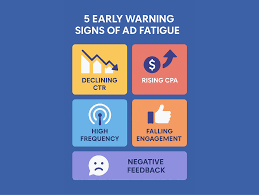
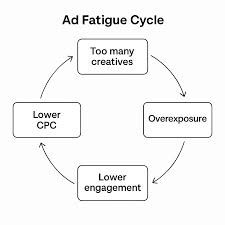
Why it matters: If your frequency is too high, people might get annoyed and tune out your ad. If it’s too low, they might not see it enough times to remember it or take action. Finding the sweet spot is key for good creative performance.
Bounce Rate (on Landing Page)
While not an ad metric directly, it’s linked. Bounce rate is the percentage of visitors who land on your page and leave without clicking anything else.
Why it matters: If your ad creative promises something specific, but the landing page doesn’t deliver or is confusing, people will bounce. This means your ad is doing its job of getting clicks, but the next step fails. It suggests a disconnect between your ad’s message and the destination.
View-Through Rate (VTR) for Video Ads
For video ads, VTR measures how many people watched a certain portion of your video. This could be 25%, 50%, 75%, or even the whole video.
Why it matters: A high VTR means people are staying engaged with your video content. It shows your story or message is holding their attention. If people drop off early, your video might not be compelling enough or might have technical issues.
Spotting Creative Problems
Too many ads, not enough clicks? Your ad might not be attention-grabbing enough. Try a bolder image or a more direct headline.
Lots of clicks, no sales? The message on your ad might not match the offer on your page. Or, the landing page itself is not convincing.
People see the ad a lot, but no action? The frequency might be too high. Or, the creative is becoming annoying. Test a different version.
Real-World Contexts for Your Ads
Where and how your ad is shown impacts its performance. Understanding this helps you create better creative.
Platform Differences
An ad that works on Instagram might not work on Google Search. Social media ads often need strong visuals and emotional hooks. Search ads need to be highly relevant to what people are looking for right now.
Your creative needs to fit the platform’s culture. What works in a quick scroll might not work in a longer search result. Think about user behavior on each platform.
This influences what kind of ad metrics to track creative are most important.
Audience Behavior
Who are you trying to reach? A young audience might respond to trendy language and fast-paced videos. An older audience might prefer clear, informative text and professional imagery.
Understanding your audience’s habits and preferences is crucial. What kind of content do they already like? What problems are they trying to solve?
Your creative should speak directly to them in a way they understand and appreciate.
Ad Placement and Context
Where does your ad appear on a page or screen? Is it at the top, in the middle, or at the bottom? Is it next to related content or something completely different?
An ad placed next to a news article might perform differently than one placed on a blog post about a similar topic. Context matters. Your creative should be relevant to the surrounding content if possible.
Creative Breakdown: Good vs. Needs Work
| Good Creative | Needs Work |
| Clear, single message. Bold, eye-catching visual. Strong call to action. Matches landing page. | Too much text. Blurry or generic image. Unclear what to do next. Mismatched landing page. |
What This Means for Your Ad Creative
So, what should you do with all this information? It’s about making smart choices for your ads.
When Metrics Are Normal
If your CTR is decent (say, 2% or more for display ads, higher for search), and your CVR is good, and ROAS is profitable, you’re doing well! This means your creative is connecting. People see it, understand it, and act on it.
This is the goal. Keep testing and refining, but celebrate what’s working. These metrics suggest your message is clear and your visuals are compelling.
When to Worry About Your Creative
If your CTR is very low (under 1% for display), your ad isn’t getting clicks. It’s likely not grabbing attention or is irrelevant. If your CVR is low despite good CTR, the offer or landing page isn’t converting those clicks.
A negative ROAS or high CPA means you’re spending more than you earn. This is a red flag. Your creative isn’t attracting valuable customers efficiently.
Simple Checks You Can Do
Look at your ads side-by-side. Which one has a better image? Which headline is more direct?
Ask people who aren’t involved in the project what they think the ad is about.
Check your analytics. Are certain age groups or interests clicking more? This tells you if your creative is hitting the right audience.
If not, maybe it needs to be adjusted for a different demographic.
Your Creative Checklist
Visuals: Are they sharp, relevant, and eye-catching?
Headline: Does it grab attention and state the benefit?
Body Text: Is it concise and easy to read?
Call to Action: Is it clear and prominent?
Brand Elements: Are your logo and colors present and consistent?
Quick Tips for Better Ad Creative Metrics
Here are some practical steps to improve your ad creative’s performance. These aren’t magic fixes, but they work.
- Keep it simple. Focus on one main message per ad.
- Use high-quality images or videos. Blurry or unprofessional visuals hurt performance.
- Write clear, benefit-driven headlines. Tell people what’s in it for them.
- Have a strong, clear call to action (CTA). Use words like “Shop Now,” “Learn More,” or “Sign Up.”
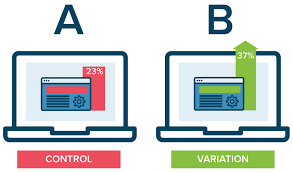
- Test different versions. What works for one audience might not work for another. A/B test your images, headlines, and CTAs.
- Make sure your ad matches your landing page. The message and offer should be consistent.
- Understand your audience. Use language and visuals they relate to.
- Keep an eye on frequency. Don’t let your ads become annoying.
Quick Scan: Ad Creative Best Practices
Test: Always run tests on different ad elements.
Focus: One core message per ad.
Clarity: Easy to understand at a glance.
Action: Clear CTA.
Match: Ad to landing page.
Frequently Asked Questions about Ad Creative Metrics
What are the most important ad metrics for creative?
The most important ad metrics to track creative performance are Click-Through Rate (CTR), Conversion Rate (CVR), Return on Ad Spend (ROAS), and Cost Per Acquisition (CPA). Engagement Rate is also key for social media.
How do I know if my ad creative is too busy?
If your ad has a low CTR despite good targeting and appealing visuals, it might be too busy. People may not understand the main point quickly enough to click. Try simplifying the message and visuals.
What’s a good CTR for my ads?
A “good” CTR varies by industry and ad platform. Generally, for display ads, 1-2% is decent. For search ads, 3-5% is common.
For social media, it can be higher. Focus on comparing your CTR to similar ads.
My ad gets clicks, but no sales. What’s wrong?
This often means your ad creative is drawing attention, but the landing page or offer isn’t convincing enough. Ensure your ad’s promise matches what people find on your landing page. Improve the landing page’s clarity, trust signals, and offer.
Should I use video ads or image ads for better metrics?
Both can perform well. Video ads can be more engaging and tell a better story, potentially leading to higher engagement rates. Image ads can be simpler, more direct, and cheaper to produce, often yielding good CTRs.
Test both to see what works for your audience and goals.
How often should I update my ad creative?
You should update your ad creative when its performance starts to drop, or when it feels stale. This could be every few weeks or months, depending on the platform and your campaign’s success. Continuous testing of new creative is recommended.
Conclusion: Making Your Ads Work Harder
Understanding your ad metrics to track creative is not just about numbers. It’s about listening to your audience. These metrics guide you to make ads that connect, engage, and convert.
Don’t get overwhelmed. Start with the basics like CTR and CVR. Test, learn, and refine.
Your ads can become powerful tools for your business when you know what to look for.
},
},
},
},
},
} ] }