Ever feel like your ads just aren’t hitting the mark? You pour time and money into creating them, but the results just aren’t there. It’s a common pain point for so many of us. We want our ads to grab attention, connect with people, and actually drive action. But figuring out what makes an ad work can feel like a mystery.
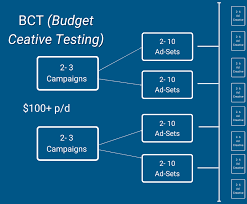
This is where a solid ad creative testing framework comes in. It’s not about guessing. It’s a smart, step-by-step way to find out what truly resonates with your audience. We’ll break down how to design tests, what to look for, and how to use what you learn to make your future ads even better. Think of it as a guide to making your advertising efforts work harder for you.
An ad creative testing framework helps you systematically find the best performing ad elements. It involves creating variations of your ads and measuring their impact on key metrics. This process ensures your advertising budget is spent on creatives that actually connect with your target audience and achieve your goals.
What is an Ad Creative Testing Framework?
At its heart, an ad creative testing framework is a plan. It’s how you figure out which parts of your ads work best. We’re talking about everything you see and read in an ad. This includes the pictures, the words, the colors, even how long a video is. It’s designed to answer specific questions about your advertising.
For example, you might wonder: “Does a blue button get more clicks than a red one?” Or, “Do people respond better to ads that show happy faces or ads that show the product itself?” A testing framework helps you answer these questions scientifically. It stops you from relying on gut feelings. Instead, you use data to make smart choices.
This structured approach lets you compare different versions of your ads. You can test one element at a time. Or you can test a few things together. The goal is always the same: to find out what gets the best results. This could mean more clicks, more sales, or more people signing up. It’s about making your ads as effective as possible.
Why Testing Your Ad Creatives Matters
Imagine you’re opening a new shop. You’ve spent months designing it. But you don’t know if people will like the layout or the music. You’d probably ask a few friends for their opinions, right? Or maybe even watch how people move through the store. Testing your ad creatives is like that, but for your online ads.
If you don’t test, you’re just hoping for the best. You might be using images that don’t catch the eye. Or words that don’t make people want to act. This means you could be wasting money. Money spent on ads that never really get seen or clicked. Or ads that are clicked but don’t lead to any real business success.
Testing helps you understand your audience better. You learn what catches their attention. You discover what messages make them feel something. You find out what calls to action they actually follow. This knowledge is gold. It helps you create ads that are not just seen, but that also connect. And when your ads connect, they perform.
My Own “Oops” Moment with Ad Testing
I remember a time early in my career. I was so proud of a new ad campaign I’d launched. The visuals were stunning, and the copy felt super clever to me. I thought it was a guaranteed win. I spent a good chunk of the budget pushing it out. Then, the results came in. And. crickets. The click-through rate was abysmal. My sales numbers barely budged.
I was so confused and a bit panicked. What was wrong? The ad looked great! I showed it to a few colleagues. They thought it was good too. But the real audience wasn’t responding. It was a hard lesson. My “cleverness” and my idea of what looked good didn’t match what potential customers actually wanted to see.
That’s when I really committed to structured testing. I went back to the drawing board. I created a few different versions of that ad. One had a simpler image. Another had a more direct, benefit-driven headline. A third focused on a testimonial. I ran them against each other. The results were eye-opening. The simpler image and the testimonial ad blew the original “clever” one out of the water. It was humbling, but incredibly valuable. It taught me that personal taste is secondary to what the data tells you.
Setting Up Your First Ad Creative Test
Starting a test might seem daunting. But we can break it down into simple steps. Think of it like following a recipe.
1. Define Your Goal
What do you want this test to achieve? Is it to get more clicks? More people to buy something? More people to sign up for your newsletter? Knowing your goal helps you measure success.
2. Choose What to Test
You can’t test everything at once. Pick one or two things you want to understand better. Maybe it’s the main image. Or perhaps it’s the call-to-action button text. It’s often best to test one element at a time. This makes it easier to know exactly what made the difference.
3. Create Your Variations
Make a few versions of your ad. If you’re testing images, create two or three different images that fit your ad concept. If you’re testing headlines, write a few different headlines. All other parts of the ad should stay the same.
Testing Variations: A Quick Look
Core Idea: Testing one change at a time.
Example:
- Ad A: Image of a smiling person, Headline: “Learn More Now!”
- Ad B: Image of a product, Headline: “Get Yours Today!”
- Ad C: Image of a smiling person, Headline: “Get Yours Today!”
In this example, we could test the image (A vs B) or the headline (A vs C).
4. Set Up Your Campaign
Use your advertising platform (like Facebook Ads, Google Ads, etc.). Create an ad campaign. Then, set up an ad set or ad group for your test. You’ll usually set your targeting and budget here.
5. Launch the Ads
Run your variations as separate ads within your test setup. Make sure they are all shown to similar audiences. The platform will then show these ads to people. It will try to show them equally.
6. Measure and Analyze
After some time, look at the results. Which ad got the most clicks? Which one led to the most sales? Which one had the lowest cost per result? This data is what you need.
Key Elements to Test in Your Ad Creatives
There are many parts of an ad that can be tested. Knowing what to focus on is key. Here are some of the most impactful elements:
Headlines
Your headline is often the first thing people read. Does a question grab them? Or a statement of benefit? Testing different styles can make a big difference.
Images or Videos
Visuals are powerful. A stunning photo might draw eyes. A short, engaging video could tell a story. Does a lifestyle shot work better than a product shot? Or a busy scene versus a minimalist one?
Body Copy
This is the main text of your ad. Is it better to be short and punchy? Or longer and more detailed? Does focusing on features or benefits work best?
Call to Action (CTA)
This is what you want people to do. “Shop Now,” “Learn More,” “Sign Up Today.” Even small changes here can affect action.
Colors and Design
The overall look of your ad matters. Do certain color schemes perform better? Is a clean design more effective than a busy one?
Offers and Promotions
Sometimes, the offer itself is the biggest draw. Testing different discounts or freebies can yield great results.
Common Ad Creative Tests
What to Focus On:
- Headline Variations: Benefit-led vs. Curiosity-led vs. Direct.
- Image Styles: Product-focused vs. Lifestyle vs. Abstract.
- CTA Text: “Shop Now” vs. “Discover More” vs. “Get Offer.”
- Ad Format: Single image vs. Carousel vs. Video.
- Offer Type: Percentage discount vs. Free shipping vs. Bonus item.
Measuring Ad Performance: What Metrics Matter?
When you test, you need to know what numbers to look at. Different goals mean different key metrics.
Click-Through Rate (CTR)
This is the percentage of people who see your ad and then click on it. A higher CTR usually means your ad is engaging.
Conversion Rate
This measures how many people who click on your ad actually complete a desired action. This could be buying a product or filling out a form.
Cost Per Click (CPC)
This is how much you pay, on average, each time someone clicks your ad. Lower CPC means your ad is efficient.
Cost Per Acquisition (CPA) or Cost Per Lead (CPL)
This is the total cost to get one customer or one lead. This is a crucial metric for profitability.
Return on Ad Spend (ROAS)
This shows how much revenue you make for every dollar you spend on ads. A higher ROAS is always better.
Engagement Rate
For social media ads, this can include likes, shares, comments, and saves. It shows how much people interact with your ad.
Running A/B Tests: The Basics
The simplest form of testing is an A/B test. You compare two versions of an ad. Let’s say Ad A and Ad B.
You show both ads to your target audience. Then you measure which one performs better based on your goal. For instance, if your goal is more clicks, you see which ad has a higher CTR.
A/B Testing: Simple Comparison
Scenario: Testing two different headlines.
| Ad Variant | Headline | CTR | Conversions |
| Ad A | “Unlock Your Potential” | 2.5% | 50 |
| Ad B | “Boost Productivity Today” | 4.1% | 80 |
Outcome: Ad B performed better on both CTR and conversions.
It’s essential to run these tests long enough. You need enough data to be sure the results aren’t just random chance. Most platforms have tools that can help you set up and analyze A/B tests easily.
Multivariate Testing: When You Want More Detail
Sometimes, you want to test more than just two things. Or you want to see how different elements interact. This is where multivariate testing comes in.
Imagine you want to test three headlines AND three images. With multivariate testing, you can test all possible combinations. This would be 3 headlines x 3 images = 9 different ad variations.
This type of testing gives you very detailed insights. You can see not only which headline is best, but also which headline works best with a specific image.
However, multivariate testing requires more traffic. You need a lot of people to see your ads to get reliable data. It can also be more complex to set up and manage. For most small to medium businesses, A/B testing is a great starting point.
My Experience with a Split Test Gone Wrong
I once decided to split test a video ad. I had the original video. Then I created a shorter, punchier version. I was sure the shorter one would win. So, I set up the test. The original video was about 60 seconds. The new one was 20 seconds. Both had the same voiceover and the same call to action.
I launched the campaign. For the first few days, the shorter video was doing okay. But it wasn’t dramatically better. Then, something strange happened. The 60-second video started to pull ahead. Its completion rate was higher, and it was driving more qualified leads. I was baffled. I thought shorter was always better, especially for social media.
Digging into the data, I realized what was happening. The longer video was telling a more complete story. It was building a stronger emotional connection. The people who watched the whole thing were more engaged. They were more likely to convert. The shorter video was just too brief. It didn’t have time to build that rapport. It was a powerful reminder that “shorter” or “punchier” isn’t always the answer. It depends on the story you’re telling and the audience you’re reaching. Context is everything.
Real-World Scenarios for Ad Creative Testing
Let’s look at some common situations where testing is vital.
Scenario 1: Launching a New Product
You have a brand new item. You don’t know what angle will appeal most. Is it the innovative feature? The problem it solves? The lifestyle it enables? You could test ads highlighting each of these points.
Scenario 2: Boosting Sales for an Existing Product
Sales are okay, but you know they could be better. Maybe your current ads are stale. You can test new visuals, different offers (like a limited-time discount), or new targeting.
Scenario 3: Reaching a New Audience Segment
You want to expand your customer base. The way you talk to this new group might need to be different. Testing different messaging, imagery, and even cultural references is crucial.
Scenario 4: Improving Ad Fatigue
Even great ads stop performing over time. People get tired of seeing them. You need to refresh your creatives. Testing new versions before your current ones die out is smart.
Testing in Action: A Retail Example
Goal: Increase online sales for a new shoe model.
Variations Tested:
- Ad 1: Lifestyle image of someone wearing the shoes in a park. Headline: “Step into Comfort.”
- Ad 2: Close-up product shot of the shoes. Headline: “New Running Shoes – Order Now!”
- Ad 3: Short video showing the shoes in action during a run. Headline: “Experience Peak Performance.”
Metrics Tracked: CTR, Conversion Rate, ROAS.
Potential Outcome: Ad 3 (video) drives the highest ROAS, while Ad 1 gets good CTR but fewer sales.
What This Means for You: When to Test
Testing isn’t a one-time thing. It’s an ongoing process.
When You Have Budget to Spare
If you have a decent marketing budget, allocate some of it for testing. Even a small portion can yield big returns by optimizing the rest.
When Your Ads Aren’t Performing
If your current campaigns are underperforming, testing is your best bet to find out why and fix it.
When You Launch Something New
New products, new services, new campaigns – these are all prime opportunities for testing. You’re starting from scratch, so test to find the best approach.
When You Want to Understand Your Audience Better
Testing helps you get inside your audience’s head. You learn what makes them tick. This knowledge is valuable beyond just ads.
When You’re Feeling Stuck
If your marketing feels stale, testing can inject new life into it. It can uncover fresh ideas and approaches you hadn’t considered.
Quick Tips for Effective Ad Creative Testing
Here are some simple guidelines to help your tests be successful.
Start Simple: Don’t try to test too many things at once. Focus on one or two key elements.
Be Consistent: Ensure your test ads have consistent branding. The core message should be similar.
Give it Time: Don’t end your tests too early. Let them run long enough to gather meaningful data.
Use Clear Goals: Know what you want to achieve before you start. This guides your analysis.
Document Everything: Keep records of your tests, the results, and what you learned. This builds your knowledge base.
Test Against Control: Always have a “control” ad (your current best-performing ad) to compare against.
Consider Audience: Test with your actual target audience. What works for one group might not work for another.
Frequent Questions About Ad Creative Testing
What is the most important element to test first?
The most important element to test first often depends on your campaign goal and what you suspect is the weakest part of your current ads. However, many marketers find that testing headlines or primary visuals yield the biggest immediate impact because they are the first things people see.
How long should an A/B test run?
An A/B test should run long enough to gather statistically significant data. This means enough impressions and clicks for your results to be reliable, not just a random fluke. Typically, this is at least one to two weeks, or until you’ve achieved a certain number of conversions or clicks for each variant.
Can I test multiple ad creatives at once?
Yes, you can test multiple ad creatives simultaneously using features like dynamic creative optimization (DCO) or by setting up multiple ad variations within an ad set. However, for clarity, it’s often best to test one specific change at a time (like headline vs. headline) to isolate the impact.
What happens after a test is complete?
After a test is complete, you analyze the results to identify the winning creative. You then stop running the losing creative and scale up the winning one. The insights gained from the test should also inform your future ad creation strategy.
Is ad creative testing the same as audience testing?
No, they are different. Ad creative testing focuses on the elements within the ad itself (images, text, CTAs). Audience testing focuses on different demographic, interest, or behavioral groups to see which ones respond best to your ads. Both are important for campaign success.
What if my test results are inconclusive?
Inconclusive results can happen if the test didn’t run long enough, didn’t have enough traffic, or if the variants were too similar. Sometimes, there isn’t a clear winner. In such cases, you might need to refine your variants and run the test again, or move on to testing other elements.
Conclusion: Build Better Ads with Data
Testing your ad creatives might seem like extra work. But it’s the most effective way to ensure your marketing budget is well-spent. By systematically trying out different images, headlines, and calls to action, you learn what truly connects with your audience. This data-driven approach leads to more engaging ads, better campaign performance, and ultimately, stronger business results. Start small, stay consistent, and watch your advertising efforts improve.